Context Bloat
You fetch irrelevant noise, wasting tokens and confusing the model.
GET /v1/orient · Free public endpoint · No signup
Send a task to /orient. Phasis returns the relevant World frames your agent needs to begin: current state, material changes, supporting evidence, and uncertainty.
The public tier returns a compact result set and is rate-limited.
curl "https://api.phasis.ai/v1/orient?query=municipal%20bond%20outlook&limit=3"{
"status": "sample",
"endpoint": "/v1/orient",
"results": [
{
"name": "improvement-bond-vs-final-acceptance",
"type": "frame",
"domain": "municipal"
},
{
"name": "lease-vs-bond-accounting",
"type": "frame",
"domain": "municipal"
}
]
}The first public Phasis surface. No account or API key required.
Your model is smart.
Its reality is broken.
Building agents is easy. Keeping them grounded is the hard part. When you rely on standard web search or naive vector retrieval, your agent starts every task from zero.
You fetch irrelevant noise, wasting tokens and confusing the model.
The world changes, but your model’s weights don’t.
One hallucinated fact early in an autonomous loop derails the entire run.
Don’t let your agent guess. Give it a World.
Phasis builds and maintains Worlds: live, evidence-backed graphs of complex domains. We track the entities, rules, and real-time changes so your agent doesn’t have to.
Ungoverned retrieval fetches noisy, irrelevant chunks (Coldplay lyrics, paint catalogs, word definitions). Every run forces your model to filter out bad context on your dime.
Pre-task domain alignment. Entities, regulatory authorities, and clinical evidence are already structured. Out-of-bounds noise is categorically excluded before the LLM processes a single token.
Asked if yellow dye is bad for you, the agent read Coldplay lyrics. Then it gave you health advice.
Illustrative comparison — not a recorded run.
taskis yellow dye bad for me
 open.spotify.comYellow — song and lyrics by Coldplaymatched ‘yellow’
 fda.govHHS, FDA to Phase Out Petroleum-Based Synthetic Dyes
 en.wikipedia.orgYellow — a colour between green and orangematched ‘yellow’
 merriam-webster.comYELLOW Definition & Meaningdefined a word
 publications.aap.orgFood Additives and Child Health
 adobe.comThe Color Yellow | Adobe Expressmatched ‘yellow’
Many additional sources · few needed to answer · no authority weighting
Broad retrieval · weak relevance · human review required
worldfood safety · color additives
Yellow 5, Yellow 6, tartrazine, sunset yellow, and related additives.
FDA and EFSA decide regulatory status. A trade association does not.
Clinical literature for adverse reactions. The regulatory record for what is permitted today.
Spotify. Adobe. Paint catalogs. Chemical suppliers. Categorically out.
The trade association never enters the answer. The contested finding stays labeled contested.
built once · shared across every run · one call before the work · same model, same workflow
Built once. Shared across every run. Works instantly with the models, frameworks, and workflows you already use.
To orient an agent is to give it the right starting point before work begins.
A World is the maintained, evidence-backed state of the domain. Shared across agents. Kept up to date over time.
The state agents should begin from now.
The material changes since the last task.
Claims remain connected to their sources.
Your agent cannot tell the difference between a fact and a hallucination. We can. HalluHard puts 950 questions across law, medicine, research, and code to a model over a three-turn conversation, then checks every factual claim against the source it cites. Does that source exist, and does it actually say what the model says it says.
Hallucination rate below, where lower is better. Even the best frontier models, running live web search, cannot support about a third of their factual claims with the source they give.
Phasis drops the hallucination rate by declining the claims its evidence does not support instead of asserting them anyway. Stop guessing. Start knowing.
Model results: HalluHard, Fan et al., EPFL, halluhard.com, CC BY 4.0. The Phasis figure is the Acquire loop, measured on an internal run of the same benchmark over a subset of its questions with our own judge, not a leaderboard submission.
With the model, workflow, and inputs held constant, adding a Phasis World improved task accuracy by 15%.
+15%
Same model, same workflow, same inputs.
125,000
Approximately three months of sustained paid usage in a live agent workflow.
Used in paid agent workflows through channel partners across technology and consumer strategy work.
The model did not change. The World did.
Phasis company data, July 2026.Start free. Add depth when your workload demands it.
(Public & paid) One call to fetch the current state, recent changes, and evidence for a specific task.
Hydrate deep supporting evidence when the agent is executing complex, multi-step reasoning.
(Private systems) Compile task-sized working sets, manage private organisation deltas, and gain full observability — traces and lineage — for enterprise scale.
GET /v1/orientGive an agent relevant World frames before it acts.
GET /v1/orientThe same call with semantic retrieval and model work on the frames it returns.
acquire/*Find and hydrate supporting evidence when the task needs more.
attentive/compileCompile task-sized working sets and summaries.
arc/tracesTraces, lineage, and observability across every step.
alpha/*Private deltas, rules, decisions, and outcomes for your organisation.
Availability labels describe current product status. /orient free needs no account; paid /orient and /acquire are live behind an issued key.
If a domain has changing facts, strict rules, and identifiable sources, we maintain a World for it. We handle the data pipelines, entity tracking, and evidence linking. You just build the agent.

Current state · evidence · change

Current state · evidence · change
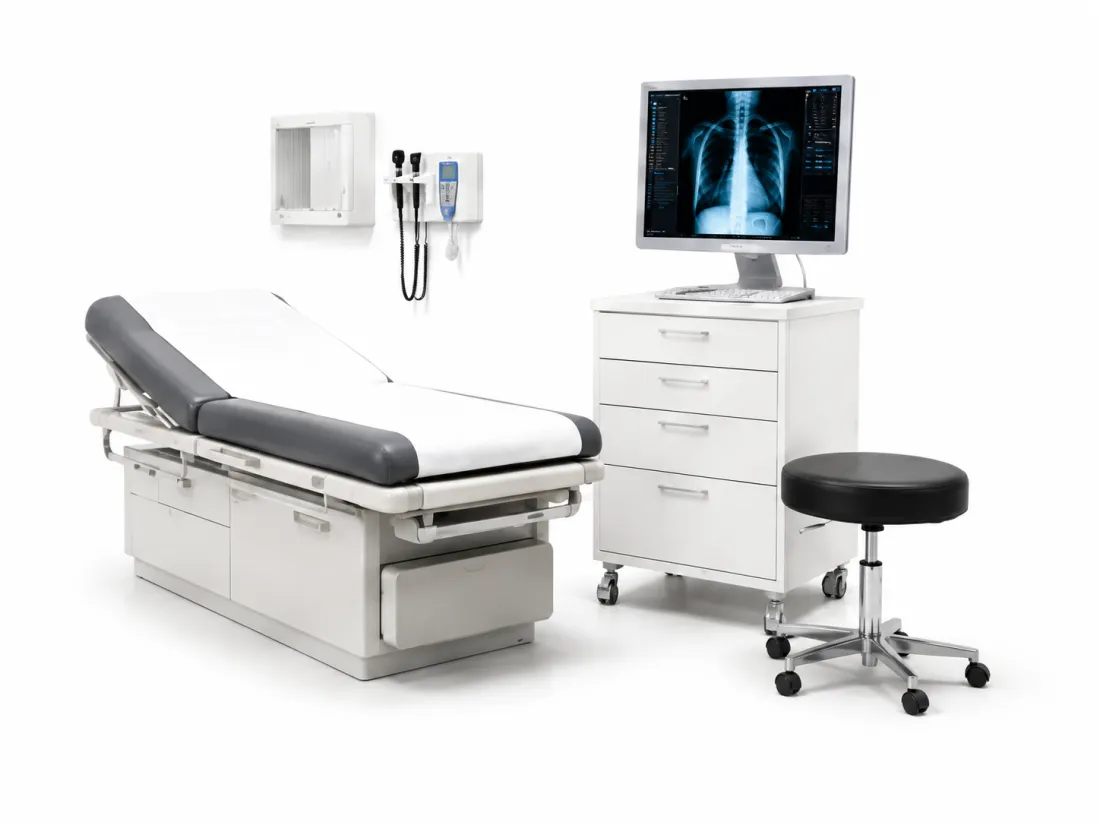
Current state · evidence · change

Current state · evidence · change
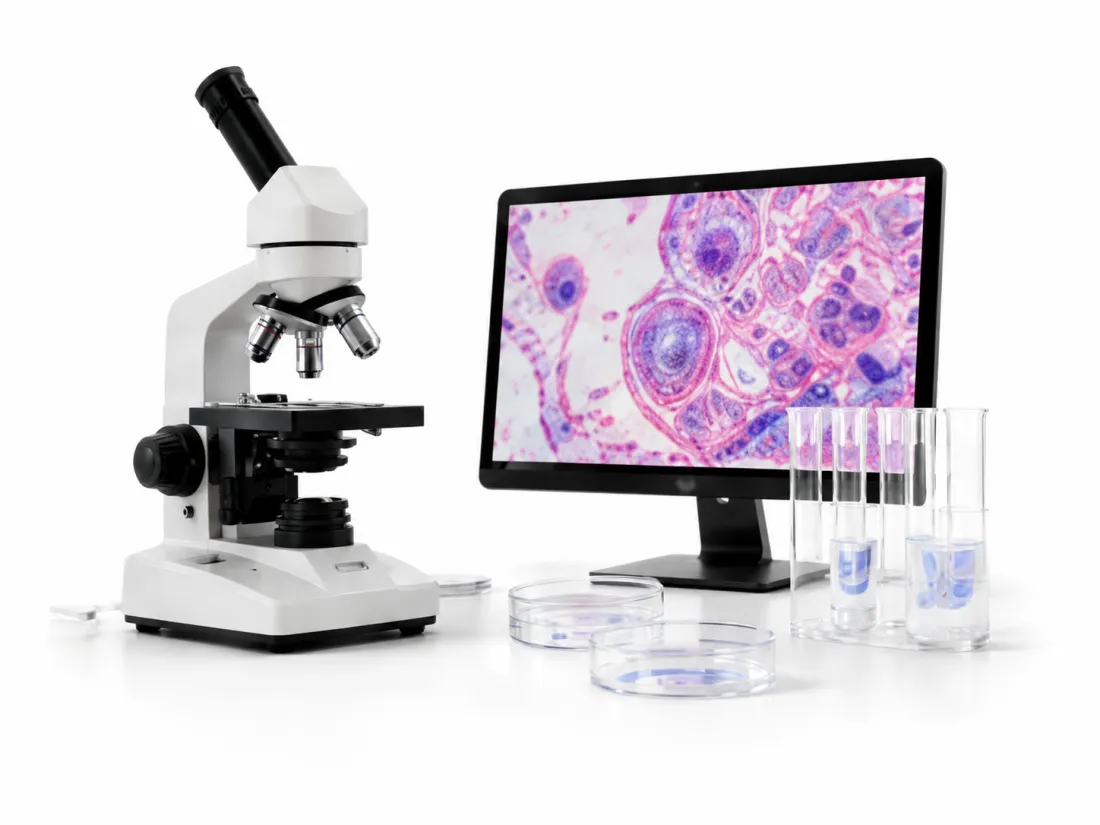
Current state · evidence · change

Current state · evidence · change

Current state · evidence · change
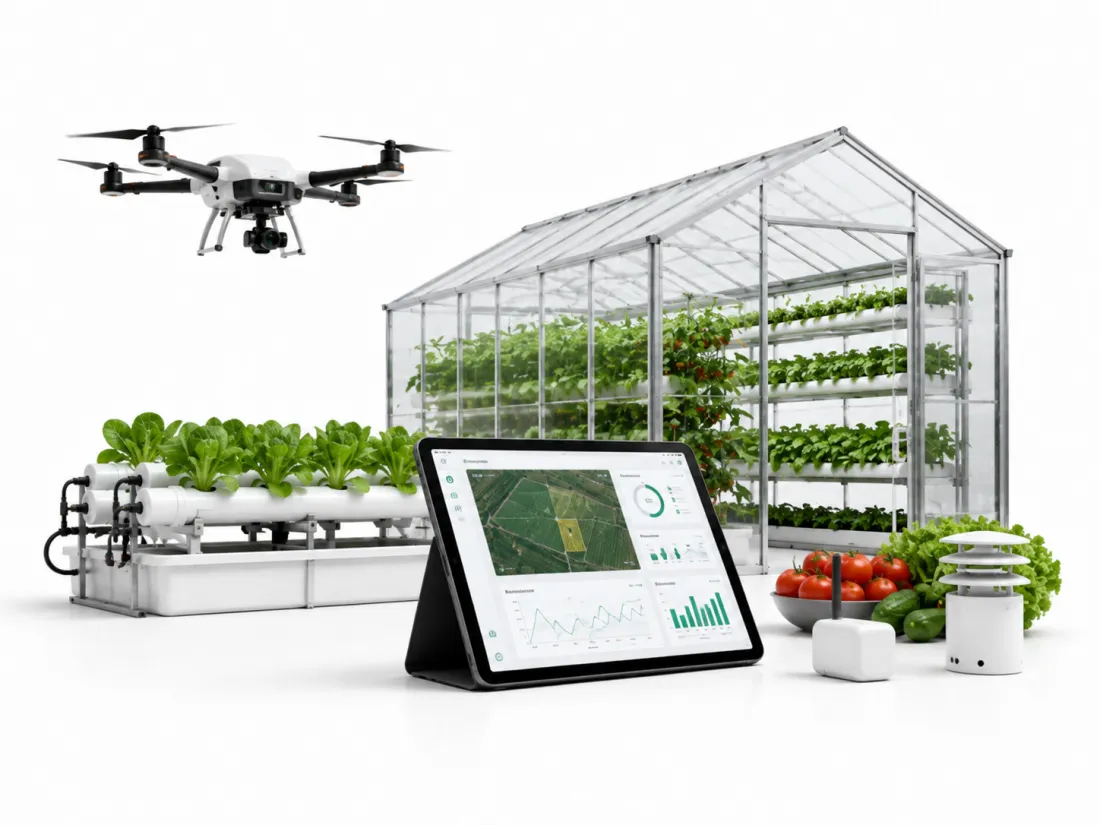
Current state · evidence · change

Current state · evidence · change

Current state · evidence · change

Current state · evidence · change
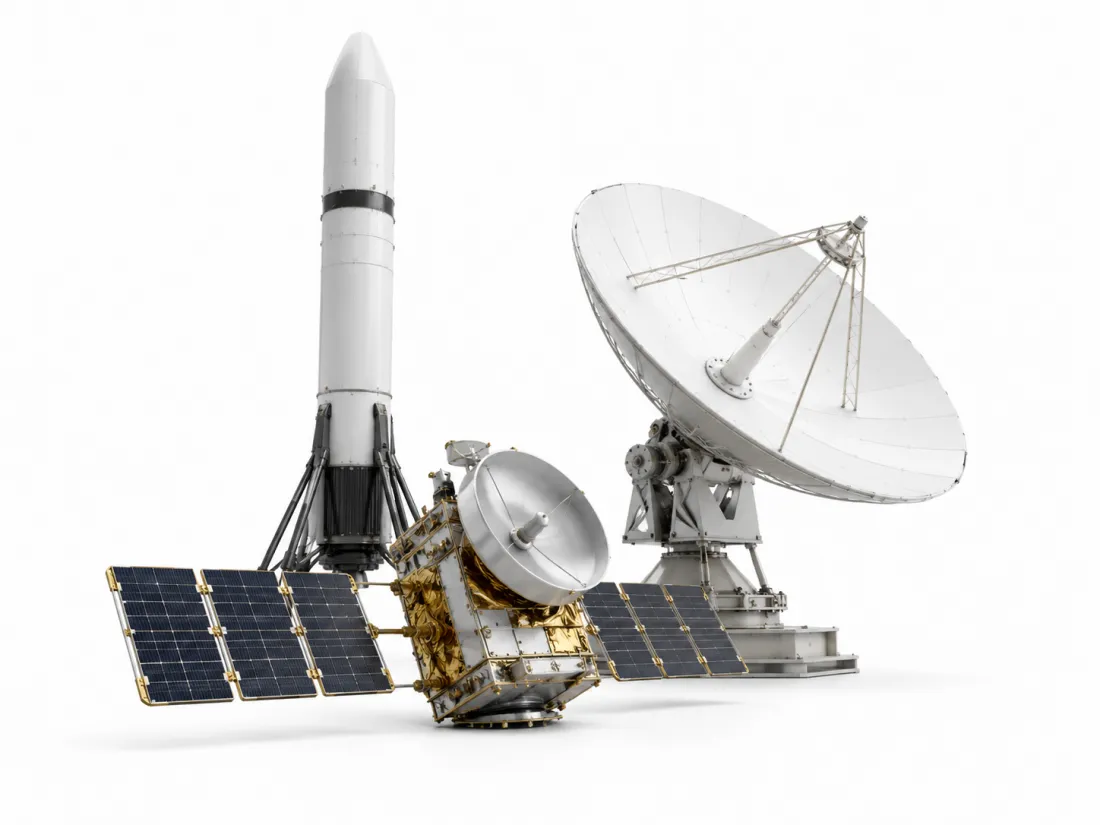
Current state · evidence · change
Selected active Worlds. Phasis can map and maintain any defined domain.
No. Search and RAG retrieve material for a task. Phasis maintains the current, evidence-backed state of the domain and serves the relevant part before work begins.
If the domain has changing facts, identifiable sources, and decisions that depend on being current, then yes. Phasis builds the World from the sources that define the domain and then maintains it.
No. Phasis sits in front of whatever you already run. /orient is one HTTP call before the work begins, and the frames it returns go into the context you already build. The model, the agent framework, and the workflow stay as they are.
/orient free, with no key and no signup. Paid /orient and /acquire are live behind an issued key.
Changing facts need identity, evidence, history, and stable addresses outside of model weights. Let the model reason. Let Phasis orient.